
SDG 11: Sustainable Cities and Communities
Phoenicia University's campus in the Zahrani District works as a small, largely self-contained community- academic buildings, laboratories, student housing, sports facilities and shared green space sitting within a single, walkable site. This section looks at how that campus is used, how people get to and around it, and how it's built, and how the University engages the wider region on questions of planning and sustainable development.
Campus and Public Facilities
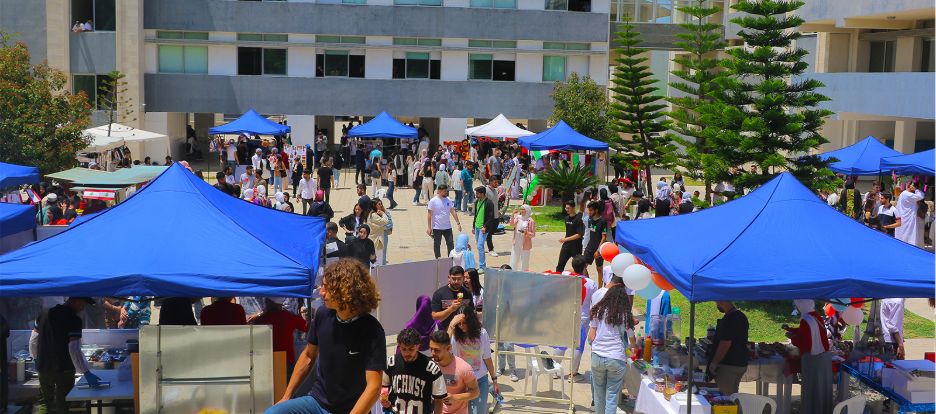
The Zahrani campus brings academic buildings, laboratories, student residences, sports facilities and community spaces together in one location designed for both learning and public use. Several of these facilities are open to the wider community rather than restricted to students: the gymnasium, football and baseball fields, and padel courts support community recreation and health promotion activities, and the PU Incubator — South Lebanon's first start-up incubator — gives local entrepreneurs access to mentorship, workspace and lab facilities. The Environmental Testing Laboratory has offered free water quality testing to individuals, municipalities, and organisations since November 2022. The campus also hosts a recurring calendar of public events, including Community First Aid Training with the Lebanese Civil Defense, free BMI screening for World Obesity Day, public lectures on water microbiology, and the annual Technology and Science Fair.
Incubator | Phoenicia University Athletics Department | Phoenicia University Water Testing Services | Phoenicia University Water Quality Testing | Phoenicia University
Library Access
The University Library is open to the wider academic community, not only enrolled students — it provides public access to print collections, study spaces and research resources. Along with its collection of books, journals, and electronic resources, it's one of the most heavily used shared spaces on campus.
Student Exhibitions and Creative Spaces
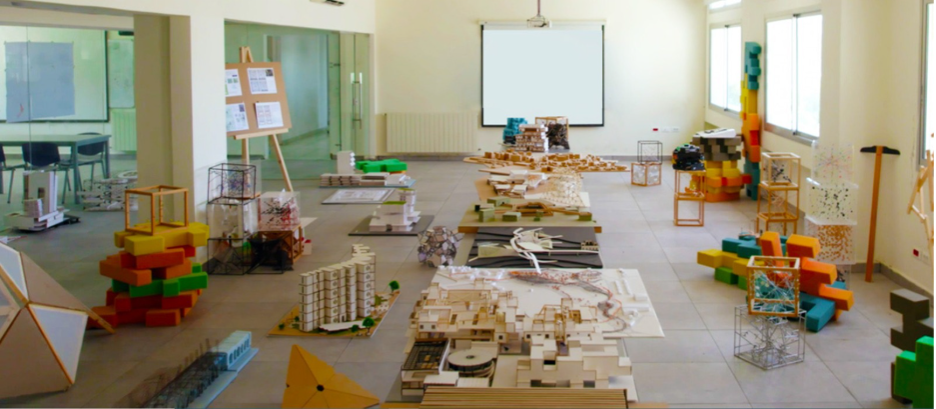
Public exhibition space on campus is used most actively by the Architecture and Design programmes, where students regularly put coursework and design projects on display. These exhibitions give students a real audience for their work and have become one of the more visible ways the University's creative output reaches people beyond the classroom.
Green and Open Spaces
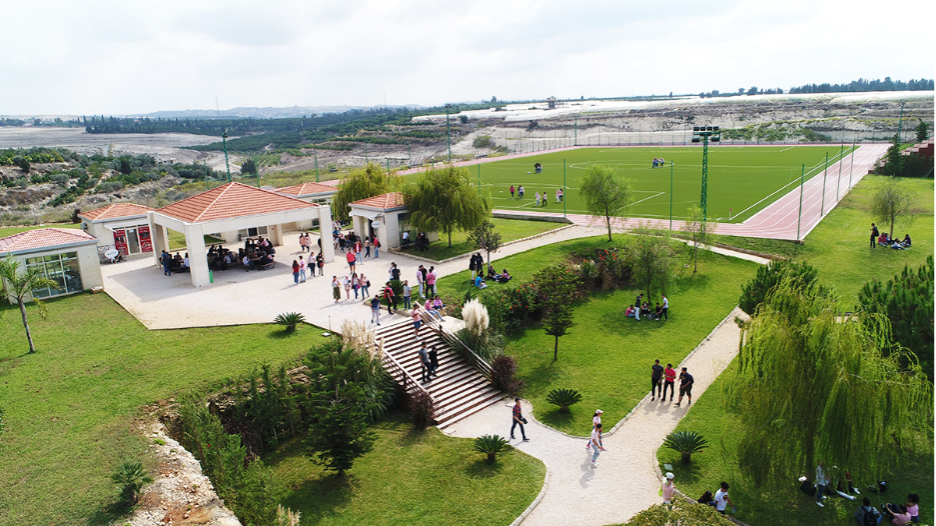
Landscaped grounds, recreational areas and open outdoor spaces are built into the campus layout rather than added as an afterthought. They get used daily — for studying outdoors, for sport, for simply stepping away from a classroom — and shape much of the everyday experience of being on campus.
https://pu.edu.lb/sites/default/files/gallery/9.jpg https://pu.edu.lb/sites/default/files/gallery/dji_0348.jpg https://pu.edu.lb/sites/default/files/gallery/campus_buildings_aerial_photos_3.jpg https://pu.edu.lb/sites/default/files/gallery/campus_buildings_aerial_photos_2.jpg
Cultural and Artistic Life
PU's cultural life runs largely through its clubs. The Music Club has its own dedicated room on campus for rehearsal and practice, and the Theatre Club's productions are open to the public rather than restricted to students and staff. Each year, International Day gives students a chance to represent their own cultures on campus, and the University also brings in guest artists on an annual basis — an outside voice added to what's otherwise a student-run calendar.
Recording and Preserving Cultural Heritage
Humanities and Cultural Studies is one of the University's stated research priorities, and work coming out of that area looks specifically at cultural identity, history and heritage , recognition that understanding where a society comes from is part of building toward where it's going.
The library, exhibition spaces and shared public areas described above are not incidental to the campus — they reflect an ongoing institutional investment in facilities that support learning as much as cultural life.
Sustainable Commuting
Phoenicia University runs its own scheduled bus service for students, covering routes throughout the academic year and reducing reliance on private cars to reach a campus that sits outside a dense urban centre. It is as much a practical response to the University's location as a sustainability measure, but the effect is the same — fewer cars, more predictable trips, and an alternative that students actually use.
Student and Staff Housing
On-campus student housing includes furnished rooms, utilities, internet access, housekeeping, laundry facilities and 24-hour security accommodation designed to let students live close to their studies without the burden of finding housing off campus. Employee housing exists within the same residential infrastructure, though publicly available information currently describes student accommodation in more detail than staff arrangements.
Accessible, Pedestrian-Friendly Campus
Campus accessibility, set in PU's Policy on Reasonable Accommodation for Differently Abled Individuals, which commits the University to physical accommodations including ramps, elevators, accessible restrooms and parking, tactile signage, accessible classroom and laboratory furniture, and accessible emergency evacuation procedures. In practice, that means routes, entrances and facilities across campus are built to be usable by students, staff and visitors with disabilities, rather than adjusted case by case after the fact.
Engagement with Local Municipalities
PU's regional engagement goes beyond research. Since 2023, the University's mobile medical clinics — run with the Lebanese Welfare Association for the Handicapped — have operated in collaboration with 15 municipalities, reaching an estimated 1,500–2,000 beneficiaries across 2023 and 2024. The Environmental Testing Laboratory extends the same kind of relationship, offering free water testing directly to municipalities. Research and teaching in architecture, urban planning and environmental engineering feed into this too — most visibly through the 2024 Technology and Science Fair, where the winning student project, "City 2.0: Unveiling the Future of Smart and Sustainable Urban Living," explored technology-driven approaches to urban safety, resource efficiency and citizen participation.
Mobile Clinics | Phoenicia University Water Testing Services | Phoenicia University Water Quality Testing | Phoenicia University Phoenicia University celebrating innovation at the 2024 Technology and Science Fair | Phoenicia University
Sustainable Campus Design and Construction
PU's buildings are built around a set of straightforward, energy-conscious choices rather than a single flagship feature: insulation and efficient HVAC systems to cut energy demand, LED lighting throughout, and glass ceilings that bring in natural light and ventilation, reducing daytime reliance on artificial lighting. Water use is supported by on-site wells rather than relying solely on the municipal supply. Where possible, construction has used responsibly sourced wood and concrete, and the University produces its own furniture in-house rather than buying disposable pieces — which, along with its recycling practices, keeps materials in use longer and cuts down on waste.
Students in Architecture and in Civil and Environmental Engineering study sustainable design and environmentally responsible construction as part of the core curriculum, not as an elective add-on. It is where the University's position on sustainable cities shows up most concretely , in what future architects and engineers are actually taught to design.
Colleges
Contact info
Phoenicia University
Main Campus
District of Zahrani
South Lebanon
Tel.: +961 7 420 720
E-mail: info@pu.edu.lb
Main Campus
District of Zahrani
South Lebanon
Tel.: +961 7 420 720
E-mail: info@pu.edu.lb