
Mobile Clinics
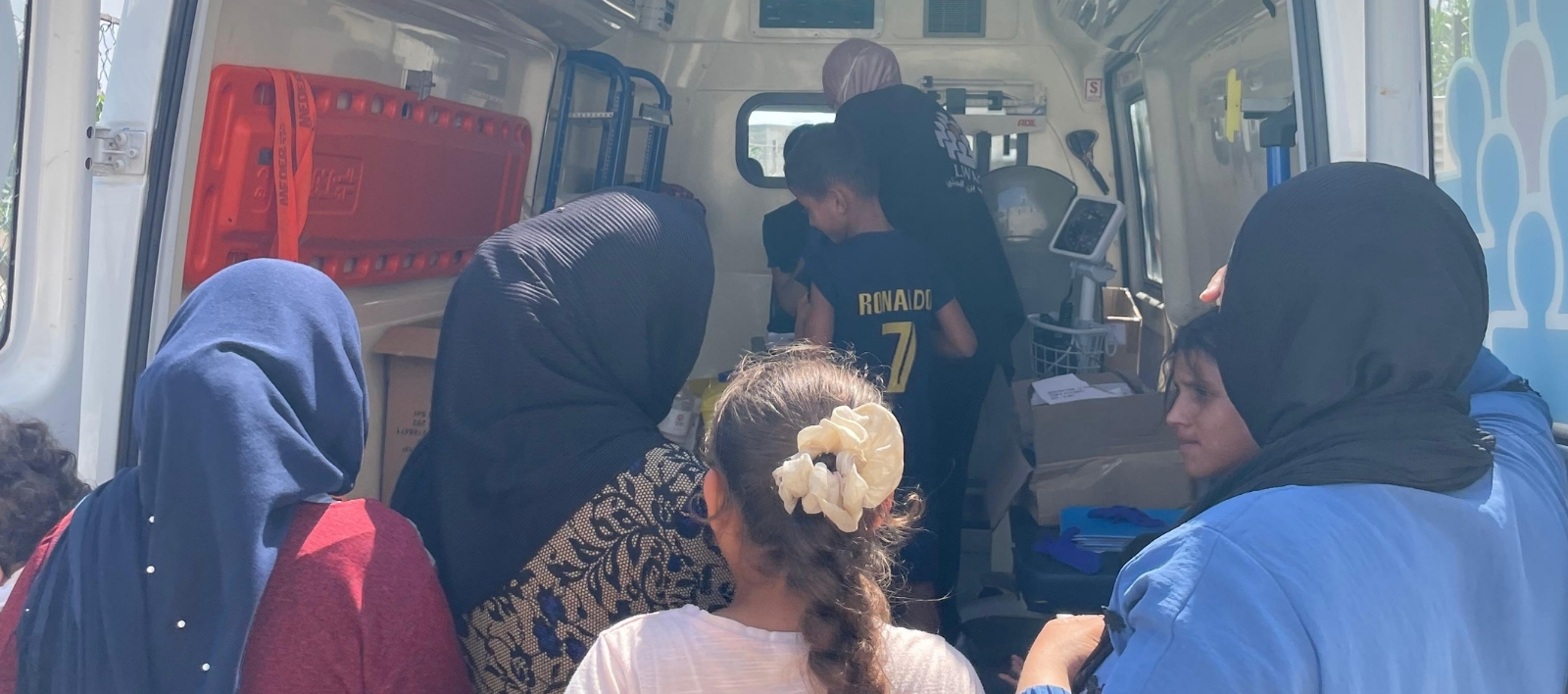
Since 2023, Phoenicia University (PU), in partnership with the Lebanese Welfare Association for the Handicapped (LWAH), has implemented a series of mobile medical clinics across Lebanon, expanding access to essential healthcare services for underserved communities. Between 2023 and 2024, the program reached approximately 1,500–2,000 beneficiaries through these municipal partnerships. In parallel, the mobile clinics provided healthcare services to more than eight centers serving displaced communities in Beirut, benefiting approximately 4,200 individuals across an estimated 450–600 households per center.
Faculty members from PU’s College of Public Health play an active role in the initiative by participating in and supervising the clinics alongside LWAH’s medical teams. Their involvement ensures that the outreach activities are guided by professional expertise, evidence-based practices, and a strong focus on preventive healthcare, while also providing students and faculty with opportunities to contribute to meaningful community service.
The mobile clinics provide a comprehensive range of services built around three key components:
Community Health Education: Residents receive awareness sessions on common health conditions, prevention strategies, healthy lifestyle practices, and available healthcare resources, empowering individuals to make informed decisions about their health.
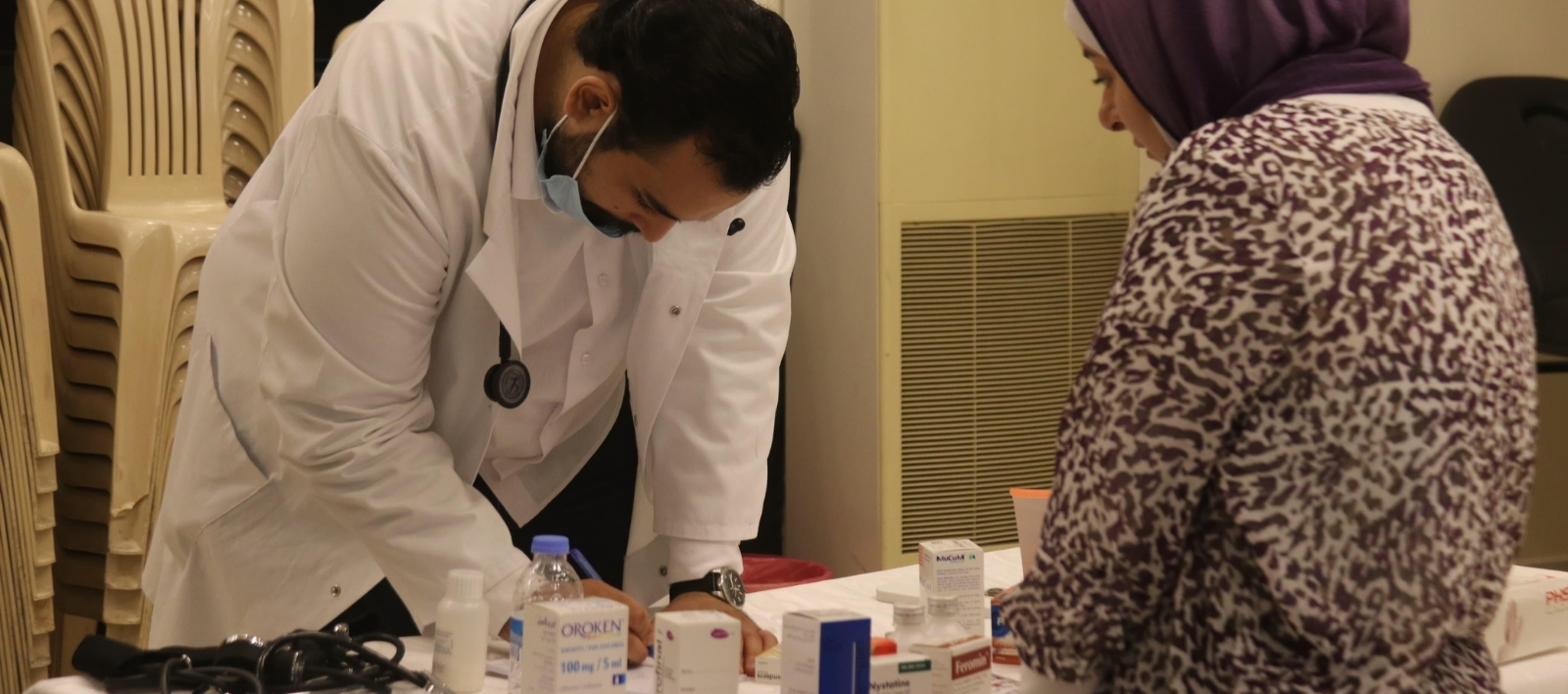
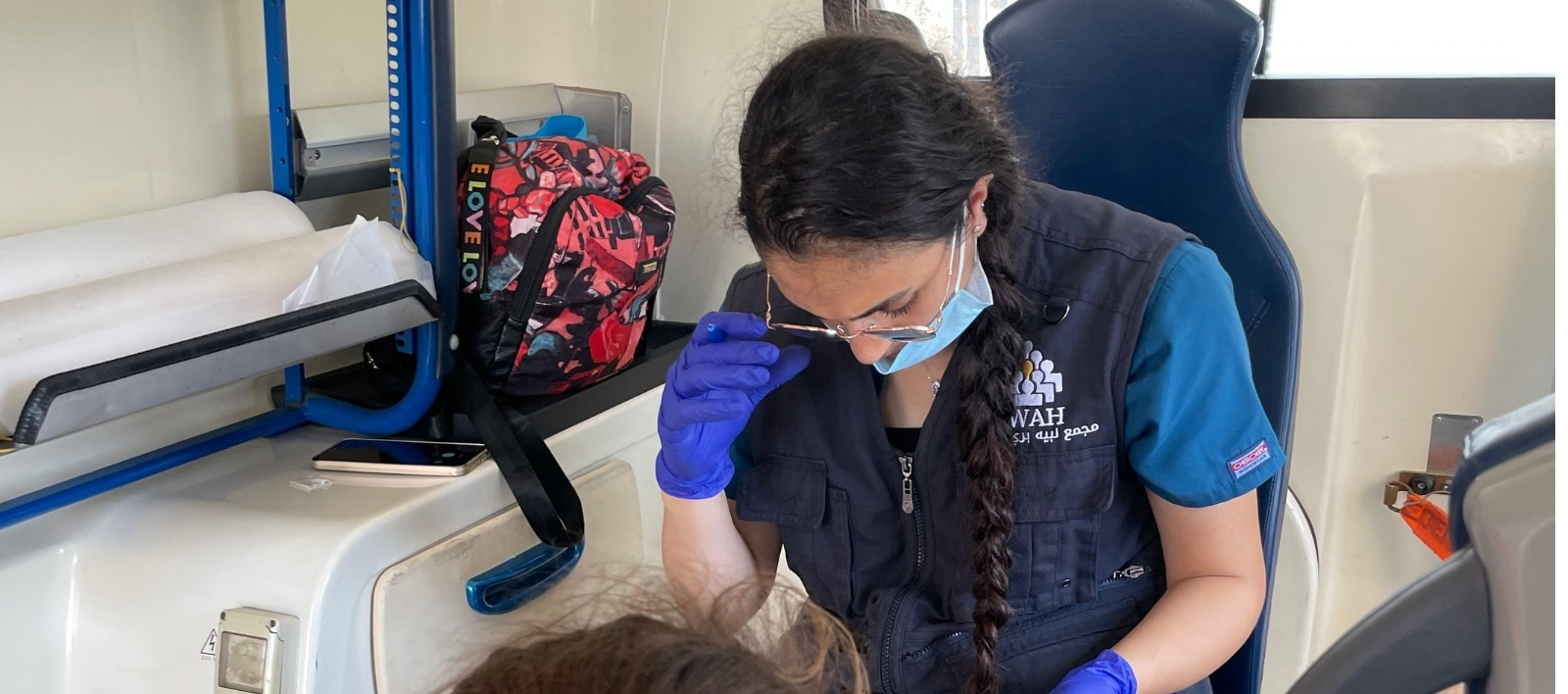
On-Site Diagnosis and Screening: Medical teams conduct health assessments, screenings, and consultations to support early identification of health concerns, with referrals provided for further medical follow-up when required.
Free Access to Medication: Essential medications are provided at no cost to eligible community members, helping reduce financial barriers and ensuring continuity of care for individuals in need.
Through this collaboration, PU and LWAH continue to strengthen community healthcare access, promote preventive health practices, and support the well-being of residents across South Lebanon.