


Psychomotor Therapy Workshop: Strengthening Multidisciplinary Collaboration in Speech-Language Pathology
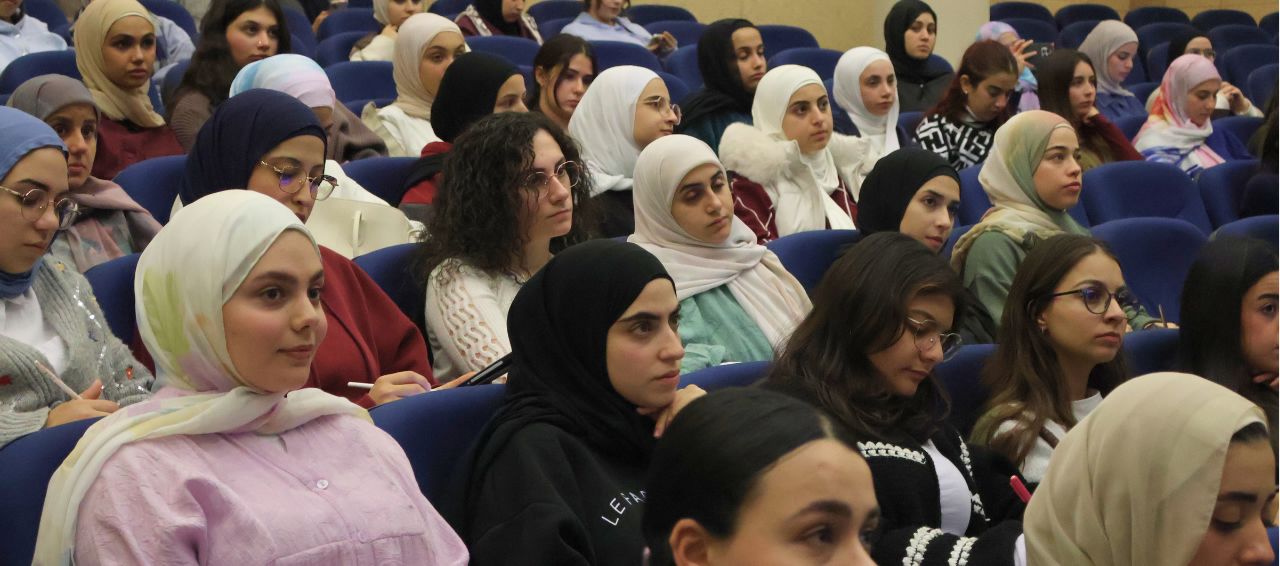
The Department of Speech Therapy at Phoenicia University organized a Psychomotor Therapy Workshop on November 11, 2026, under the coordination of Dr. Sandra Bejjani, Speech Therapy Program Coordinator. Led by Mrs. Queen Rizk, Psychomotor Therapist, the workshop aimed to enhance students’ clinical knowledge and broaden their understanding of psychomotor development and its relevance to speech-language pathology.
During the workshop, Mrs. Rizk introduced students to the fundamental principles and key domains of psychomotor development, including body awareness and body schema, muscle tone and postural control, gross and fine motor coordination, lateral dominance, visuomotor coordination, sensory integration, emotional regulation, and cognitive and executive functions. Particular emphasis was placed on the interactions between motor, sensory, cognitive, emotional, and social development and their influence on communication, language acquisition, learning, and children’s participation in everyday activities. Students also explored the role of gestures, imitation, motor planning, attention, self-regulation, and play-based interactions, including joint attention and turn-taking, in supporting communicative development and therapeutic engagement.
The workshop addressed common psychomotor difficulties and their potential impact on children’s functional abilities, academic performance, and participation in therapeutic activities. Students were introduced to clinical indicators that may warrant further psychomotor assessment or referral, emphasizing the importance of identifying developmental concerns that extend beyond speech and language difficulties.
Through clinical examples and case-based discussions, Mrs. Rizk highlighted the complementary roles of speech-language therapists and psychomotor therapists in supporting children with complex developmental needs. The session emphasized the importance of interdisciplinary communication, shared therapeutic objectives, appropriate referrals, and coordinated intervention strategies to ensure comprehensive and individualized care.
The workshop provided students with an opportunity to strengthen their clinical observation and reasoning skills, develop a broader understanding of children’s developmental profiles, and recognize the value of integrating different professional perspectives into assessment and intervention.
This initiative reflects Phoenicia University’s commitment to enriching academic education through clinically relevant learning experiences and preparing future speech-language therapists to address the diverse needs of the populations they serve through evidence-informed and collaborative professional practice.