

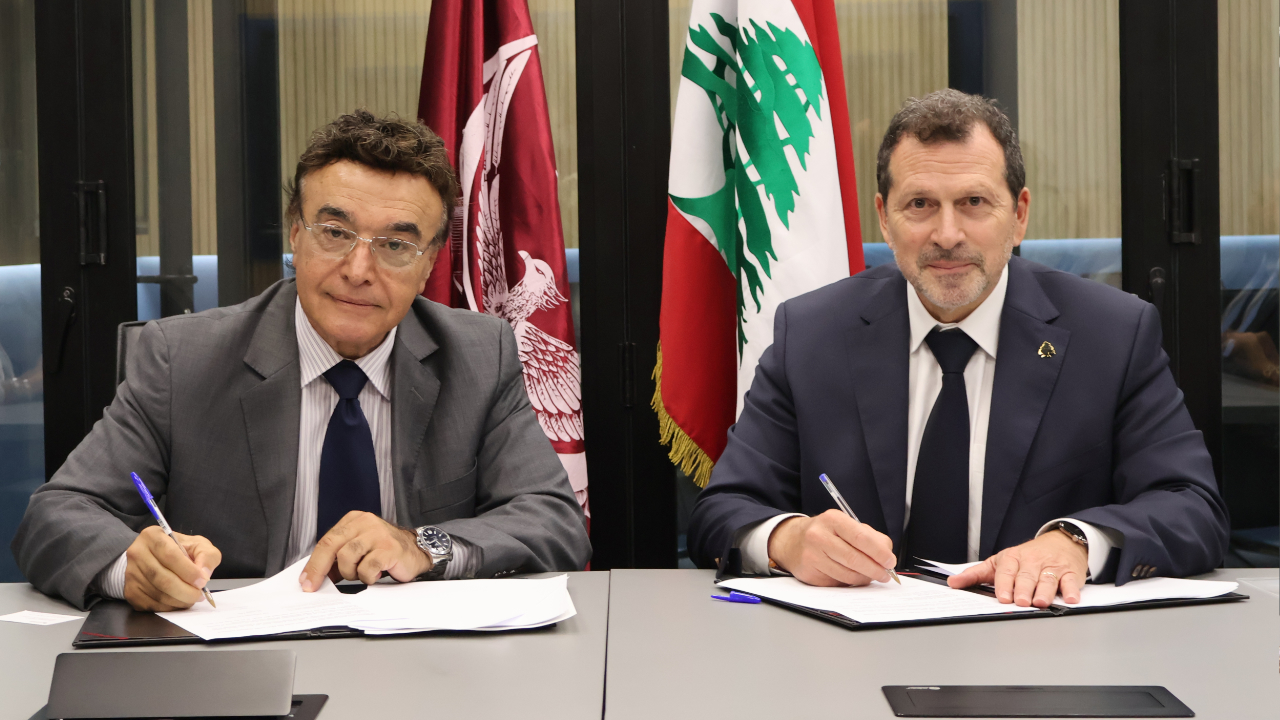
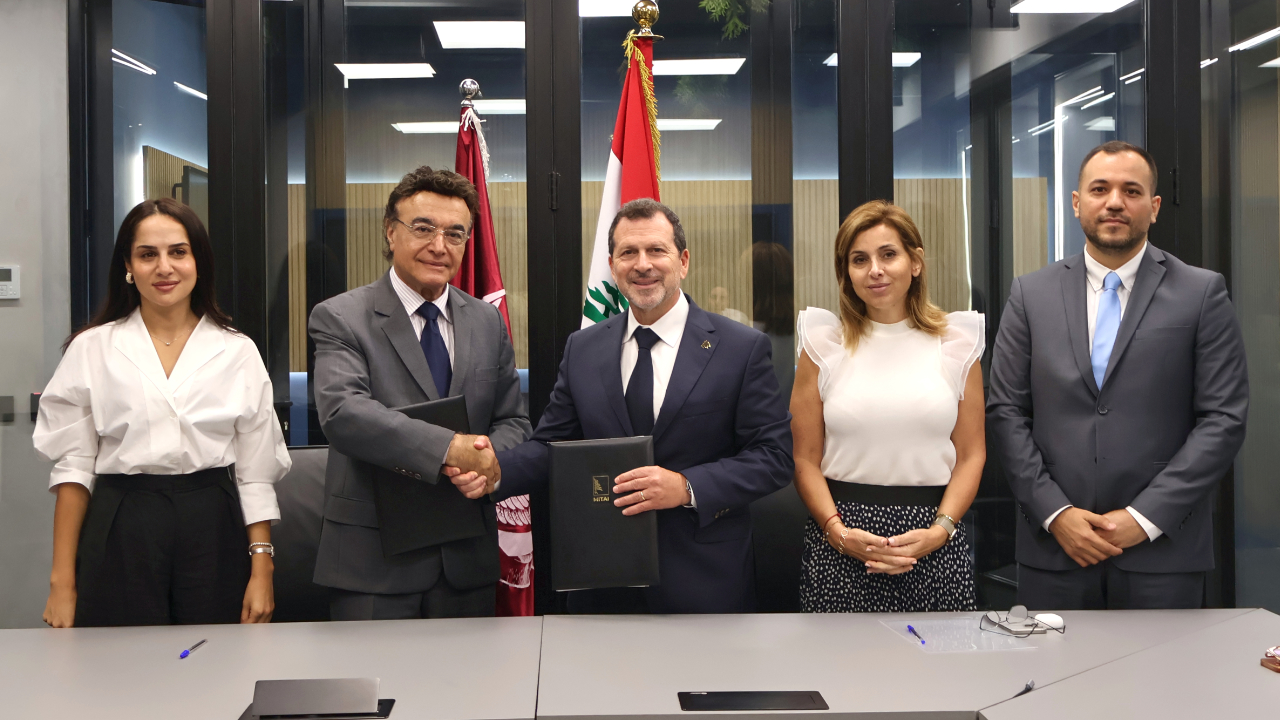
Ministry of State for Technology and Artificial Intelligence and Phoenicia University Sign MoU on Technology and AI
The Ministry of State for Technology and Artificial Intelligence, represented by Minister of the Displaced and Minister of State for Technology and Artificial Intelligence Dr. Kamal Shehadeh, signed a Memorandum of Understanding with Phoenicia University, represented by its President, Dr. Imad Zbib, to strengthen cooperation in the fields of technology, artificial intelligence, and digital transformation.
The Memorandum establishes a framework for collaboration between the two parties, contributing to national priorities in technology and strengthening integration between the academic sector and public policy, particularly in education and scientific research. It also provides for the launch of joint training and research initiatives and programs serving both the public and private sectors, while building capacities and developing the skills required by the labor market.
During the signing ceremony, H.E. Dr. Kamal Shehadeh said: “Investing in people and knowledge is the cornerstone of building an advanced digital economy. Our partnership with universities stems from our firm belief that they play a central role in preparing the skilled professionals capable of leading Lebanon’s digital transformation and shaping the future of artificial intelligence in the country.”
He added: “This Memorandum represents a practical step toward aligning the academic sector with national technology and innovation policies. It will open new opportunities for students, researchers, and entrepreneurs, strengthen the research and development ecosystem, and ensure that Lebanon keeps pace with global advances in artificial intelligence and emerging technologies.”
For his part, the President of Phoenicia University stated that the University views artificial intelligence as a long-term academic pathway rather than a temporary tool. He noted that, for several years, the University has been integrating artificial intelligence into its curricula, learning tools, and training programs to keep pace with rapidly accelerating digital developments.
He said: “This partnership reflects a shared belief that the advancement of education can no longer take place in isolation from technological progress. It provides an effective platform for cooperation and the exchange of expertise in a manner that serves the public interest, supports digital transformation, and keeps human values at the heart of this journey.”
He added that the role of universities extends beyond the transfer of knowledge to include actively contributing to shaping the future. He reaffirmed Phoenicia University’s commitment to empowering Lebanese youth and enhancing their opportunities to remain in Lebanon and participate in the development of their country, particularly amid the current economic and social challenges.
Dr. Zbib described such initiatives and partnerships as “a national necessity for establishing a genuine and practical framework between the academic sector and public authorities, aimed at building human capacity and developing the skills required by the labor market.”
وقعت وزارة الدولة لشؤون التكنولوجيا والذكاء الاصطناعي ممثلةً بوزير المهجرين ووزير الدولة لشؤون التكنولوجيا الدكتور كمال شحادة، مذكرة تفاهم مع جامعة فينيسيا، ممثّلةً برئيسها الدكتور عماد زبيب، مذكرة تفاهم في إطار تعزيز التعاون المشترك في مجالات التكنولوجيا، والذكاء الاصطناعي، والتحول الرقمي.
وتهدف المذكرة إلى إرساء إطار تعاون بين الجانبين، بما يسهم في دعم الأولويات الوطنية في مجال التكنولوجيا، وتعزيز التكامل بين القطاع الأكاديمي والسياسات العامة، لا سيما في مجالات التعليم والبحث العلمي، إضافة إلى إطلاق مبادرات وبرامج تدريبية وبحثية مشتركة تخدم القطاعين العام والخاص، وتسهم في بناء القدرات وتطوير المهارات المطلوبة لسوق العمل.
وخلال حفل التوقيع، قال معالي الوزير الدكتور كمال شحادة: "إن الاستثمار في الإنسان والمعرفة هو حجر الأساس لبناء اقتصاد رقمي متطور. ومن هنا، تأتي شراكتنا مع الجامعات انطلاقًا من قناعتنا بأنها تشكل ركيزة أساسية في إعداد الكفاءات القادرة على قيادة التحول الرقمي وصناعة مستقبل الذكاء الاصطناعي في لبنان.
وأضاف معاليه "إن هذه المذكرة خطوة عملية نحو ربط القطاع الأكاديمي بالسياسات الوطنية للتكنولوجيا والابتكار، بما يفتح آفاقًا جديدة أمام الطلاب والباحثين ورواد الأعمال، ويعزز بيئة البحث والتطوير، ويواكب التطورات العالمية في مجالات الذكاء الاصطناعي والتقنيات الناشئة".
من جهته، أكّد رئيس جامعة فينيسيا أن الجامعة تنظر إلى الذكاء الاصطناعي بوصفه مسارًا أكاديميًا طويل الأمد، لا مجرد أداة ظرفية، مشيرًا إلى أن الجامعة بدأت منذ عدة سنوات بدمج الذكاء الاصطناعي في مناهجها التعليمية، وأدوات التعلّم، وبرامج التدريب، بما يواكب التحولات الرقمية المتسارعة.
وقال: "إن هذه الشراكة تعكس إيمانًا مشتركًا بأن تطوير التعليم لم يعد ممكنًا بمعزل عن التطور التكنولوجي، وتشكل مساحة فاعلة للتعاون وتبادل الخبرات، بما يخدم المصلحة العامة ويواكب التحول الرقمي، مع الحفاظ على القيم الإنسانية في صلب هذا المسار."
وأضاف أن دور الجامعات يتجاوز نقل المعرفة، ليشمل المساهمة الفعلية في بناء المستقبل، مؤكدًا التزام جامعة فينيسيا بتمكين الشباب اللبناني، وتعزيز فرص بقائهم والمشاركة في تنمية وطنهم، خصوصًا في ظل التحديات الاقتصادية والاجتماعية الراهنة.
واعتبر الدكتور زبيب أن مثل هذه المبادرات والشراكات تشكّل: "ضرورة وطنية لتشكيل إطار عملي حقيقي بين القطاع الأكاديمي والجهات الرسمية، يهدف إلى بناء القدرات البشرية، وتطوير المهارات المطلوبة لسوق العمل."