
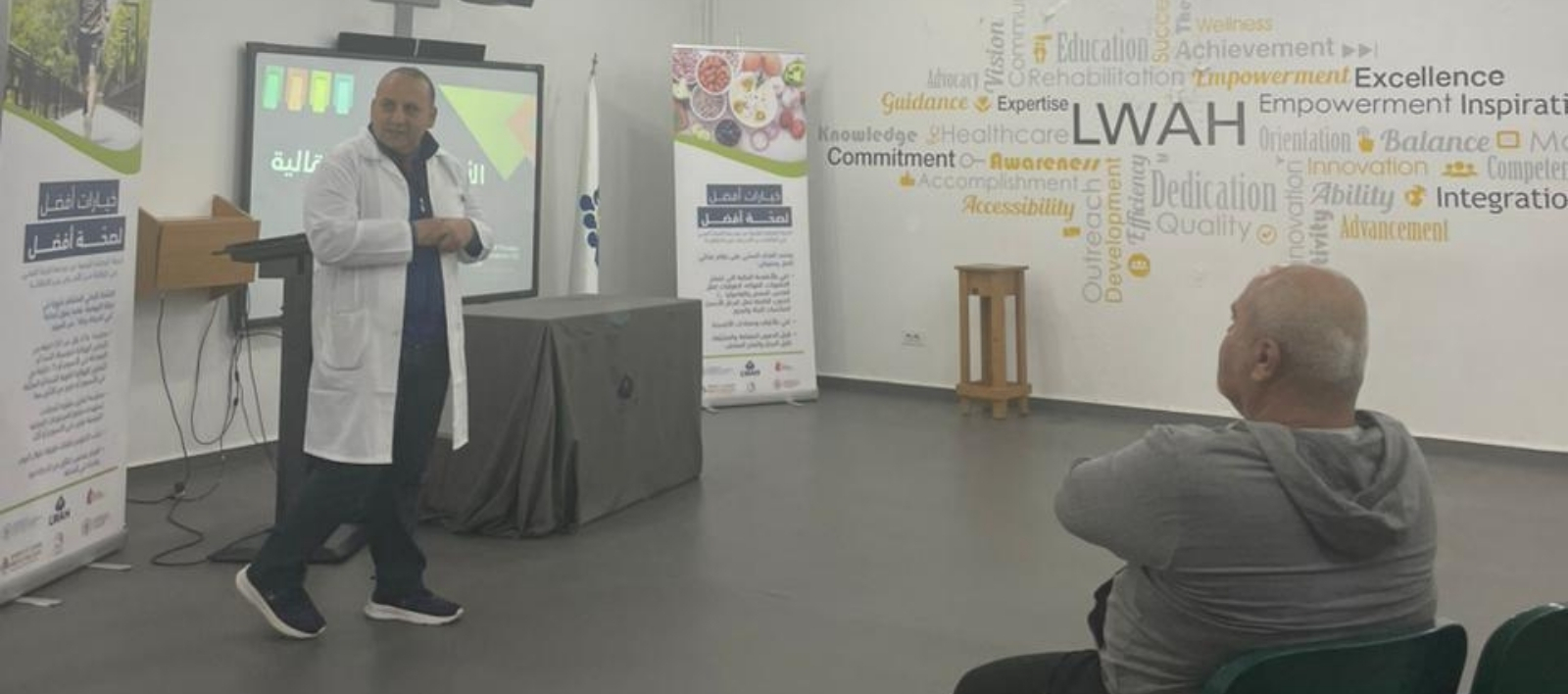
Diabetes Awareness Lectures
PU has partnered with the Lebanese Welfare Association for the Handicapped (LWAH), to organize a series of free educational lectures on diabetes awareness for the public community. Since its launch in 2023, the initiative has provided tailored educational sessions for school students across the region and parents at LWAH, helping both audiences better understand diabetes prevention, early detection, and effective disease management.
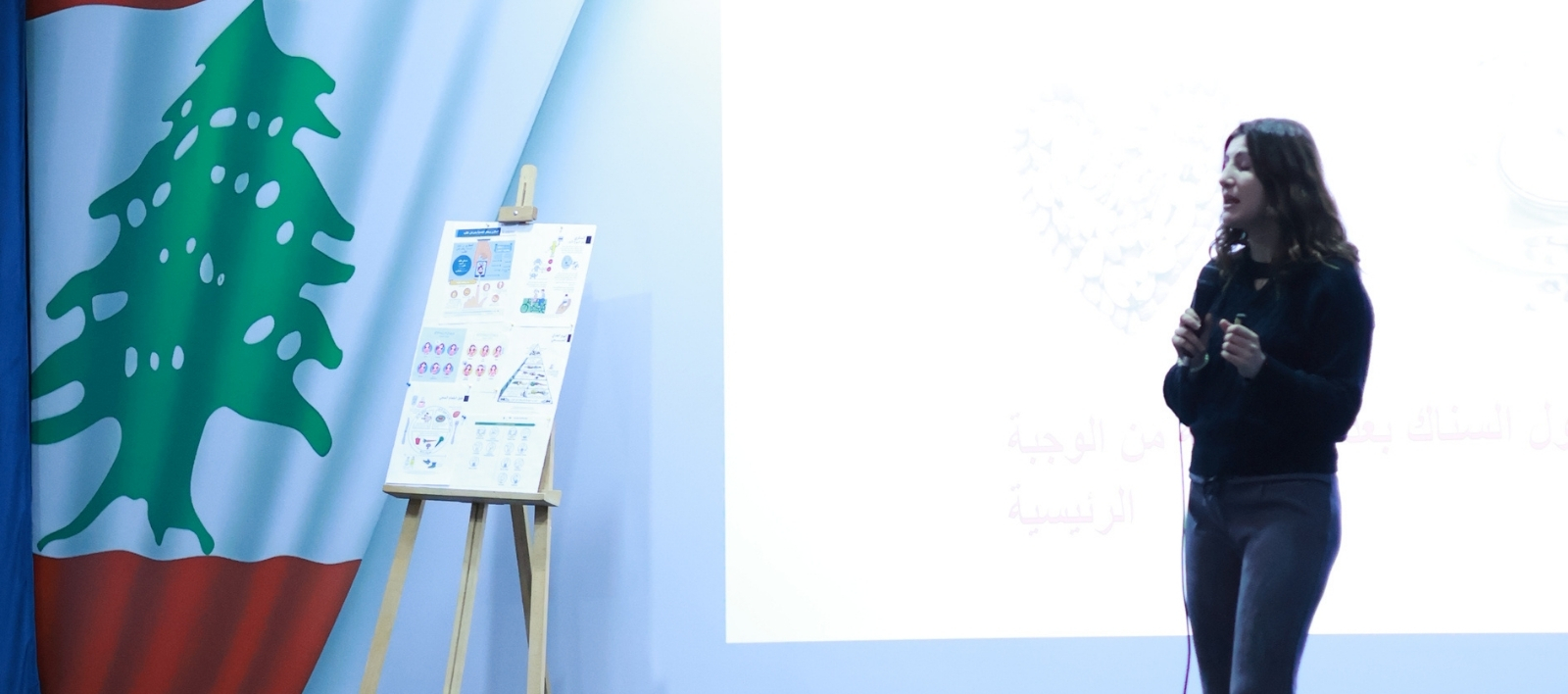
The lectures are conducted in schools and at LWAH by a nutritionist, a medical doctor, and faculty members from PU's College of Public Health, ensuring that participants receive accurate, evidence-based, and medical information.
Each session addresses both Type 1 and Type 2 diabetes, covering:
Causes and risk factors for each type of diabetes
Warning signs and symptoms, to support early recognition
Day-to-day management, including nutritional guidance and medical care
Sessions for Schools
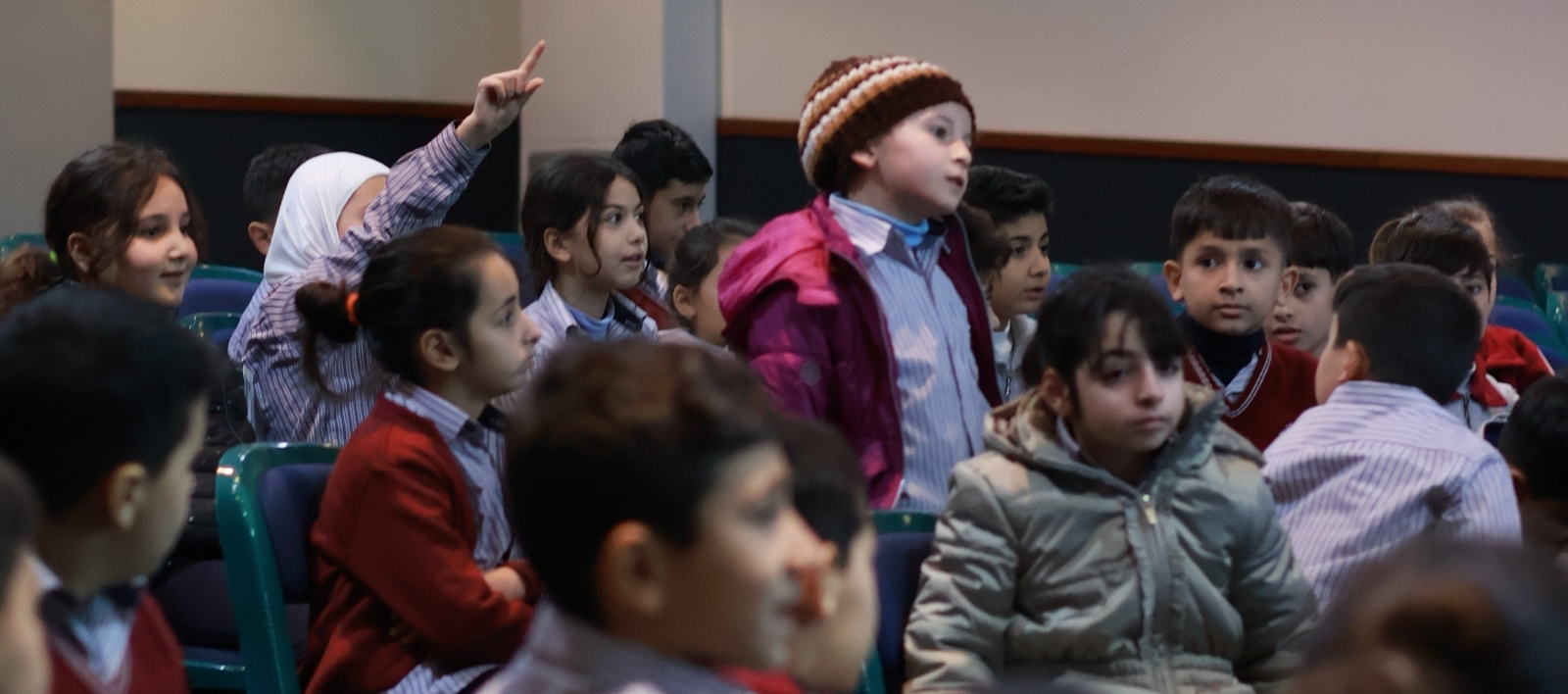
Dedicated sessions were held for young and high school students across several schools in the region, including LSE, Msayleh Public School, and Shomran High School. These sessions introduced students to the basics of diabetes in an age-appropriate way — explaining the difference between Type 1 and Type 2, common symptoms to watch for, and healthy lifestyle habits that support prevention. Alongside the educational component, students were offered screening, giving many of them their first exposure to a diabetes check. Of the 126 students screened, 3 were newly diagnosed — a result that shows the direct, practical value of pairing awareness education with on-the-spot screening in a school setting.
Sessions for Parents
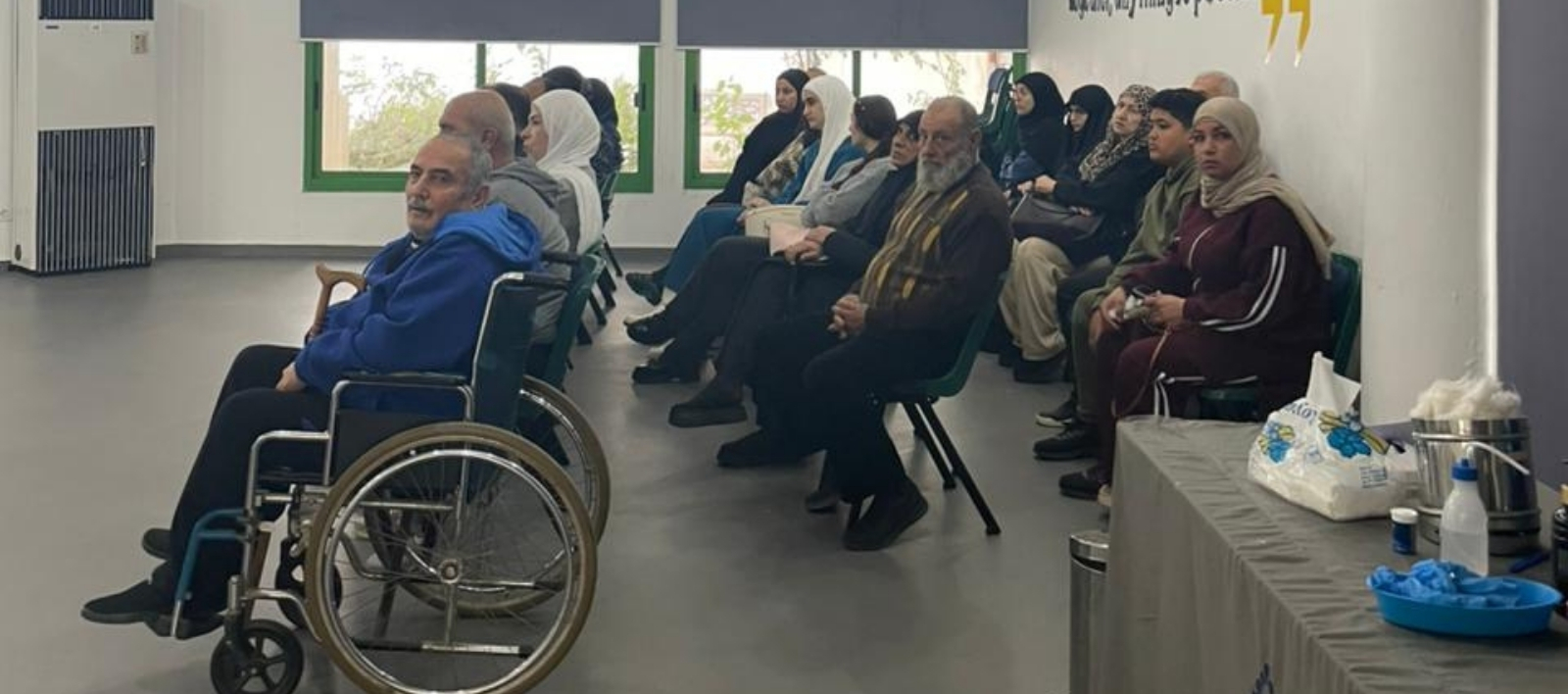
Separate sessions were held specifically for parents, recognizing that effective diabetes management, especially for children with Type 1 diabetes, depends heavily on what happens at home. These sessions covered how to recognize early symptoms in children, how to support a child recently diagnosed, and practical guidance on diet, insulin management, and day-to-day monitoring. By equipping parents directly, the program extended its educational impact beyond the classroom and into the home environment where daily care decisions are actually made.
Through this partnership with LWAH, PU has expanded access to specialized health education and screening services, offering these initiatives free of charge to students, families, and members of the wider community. This collaboration has strengthened community engagement and contributed to increasing regional awareness of diabetes prevention, early detection, and health management.