

Advancing Inclusive Healthcare Through PU–LWAH Collaboration
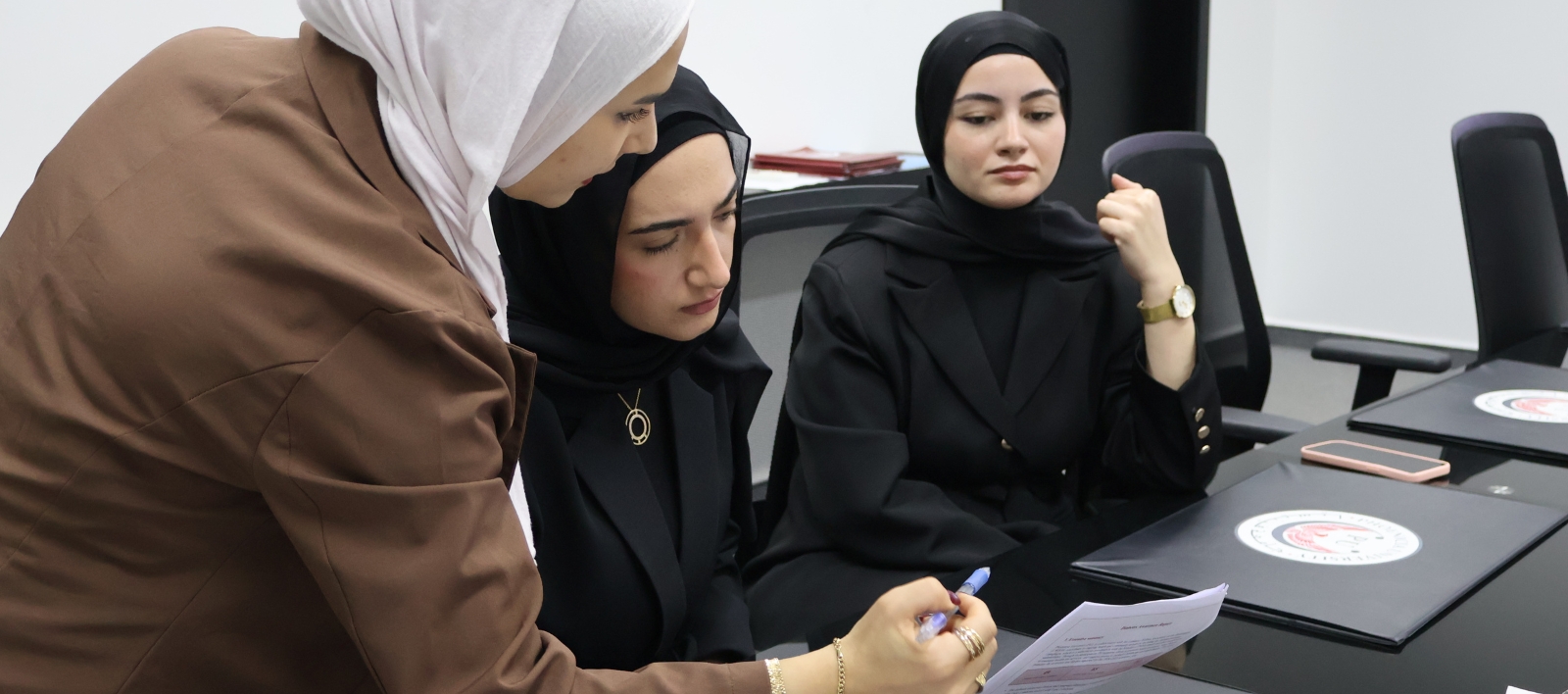
On 16 September 2025, Phoenicia University (PU) held an advisory meeting with the Lebanese Welfare Association for the Handicapped (LWAH), a national NGO supporting persons with disabilities and underserved communities specifically in South Lebanon. The meeting brought together representatives from both organizations to review community needs and discuss the development and improvement of programs aligned with the United Nations Sustainable Development Goals (SDGs).
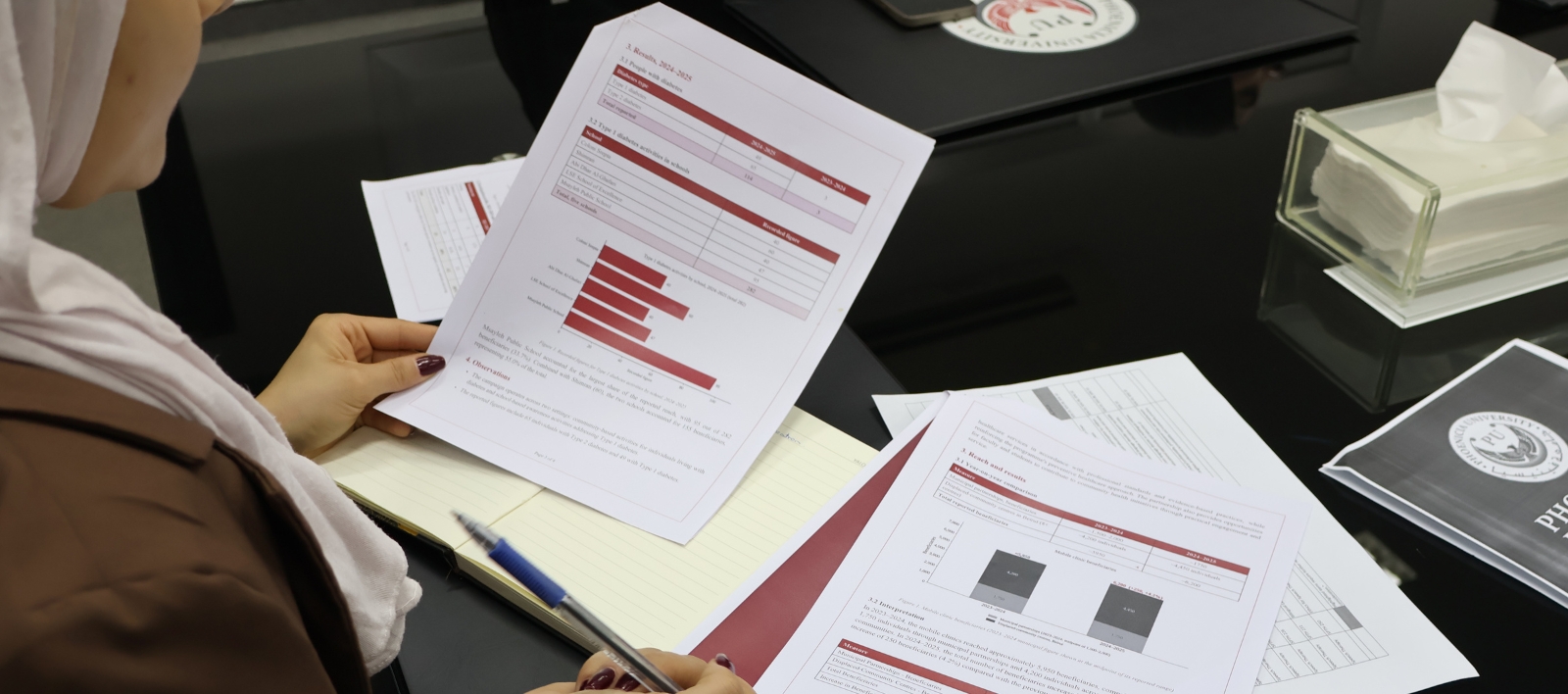
The discussion began with an overview of key challenges identified through community assessments conducted by PU’s College of Public Health as part of PBHL 203 and PBHL 212. Findings included the results of school-based diabetes screening, which reached 282 students and identified 114 cases requiring further attention, barriers to healthcare access for persons with disabilities, and the needs of displaced families in Beirut.
Building on these findings, PU faculty provided technical input on potential policies and strategies to address the identified challenges. The discussion focused on strengthening diabetes follow-up, improving the accessibility of mobile health services, and expanding inclusive health education. These efforts contribute to SDG 3 (Good Health and Well-being), SDG 4 (Quality Education), and SDG 10 (Reduced Inequalities).
The meeting also explored possible future scenarios with and without continued interventions. Particular attention was given to potential trends in undiagnosed diabetes and demand for healthcare services, comparing the expected outcomes of maintaining school-based screening and mobile clinics with those of discontinuing these services.
The meeting further addressed program monitoring and reporting. Key indicators were reviewed, including the number of individuals screened, follow-up rates, and the geographical reach of mobile clinics across municipalities and centers serving displaced populations. LWAH also outlined its role in reporting program data and recommendations to the Ministry of Public Health (MoPH), helping connect community-level findings with national health planning.
Finally, the discussion focused on adapting programs in response to monitoring findings and changing community needs. Proposed adjustments included extending mobile health services to additional areas, refining monitoring indicators, and providing further staff training. As next steps, PU and LWAH agreed to coordinate a follow-up meeting and establish a timeline for sharing updated program data.